
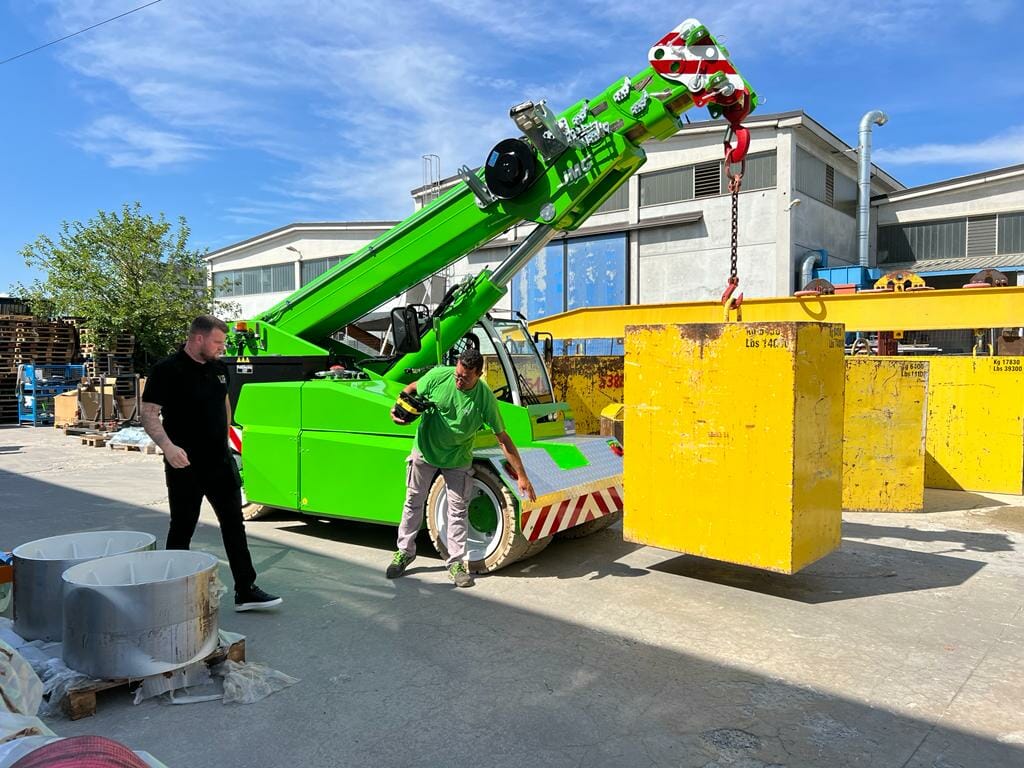
If you’re planning to move large and heavy machinery or complex equipment, there’s one thing you need to know: heavy machinery lifting is no simple task. It’s not just about moving something heavy from A to B—it’s about doing it safely, efficiently, and in a way that doesn’t disrupt your operations. Whether you’re relocating a factory or moving a massive piece of equipment, effective heavy-lifting services are essential to the success of your project.
But what makes heavy equipment lifting so complex, and what do you need to consider before you attempt it? Let’s dive into the details of complex lifting, and why working with professionals like VIG Industrial Relocation is the key to getting it right.
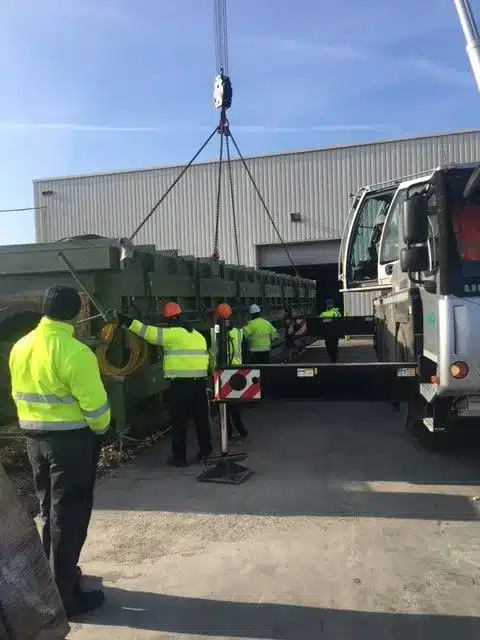
5 things you need to know about complex & heavy-lifting
Sure, the size and weight of the equipment are a big factor, but there are so many other elements at play. Here are the 5 things that you need to keep in mind:
1. Thorough planning is crucial
When it comes to heavy machinery lifting, planning is everything. A successful lift starts long before the heavy lifting equipment is even on-site. Professionals like VIG Industrial Relocation begin by assessing the job in detail—analysing the machinery, location, and environment. From there, a tailored plan that accounts for every eventuality is created, ensuring the lift goes smoothly.This planning stage can take a little while to get just right, and will involve ongoing changes and communication between all parties involved. It’s vital that all relevant stakeholders have access to the plans, ideally with access provided through a centralised portal.
2. Safety first
The safety of everyone involved in a heavy lifting services project is non-negotiable. Not only does this protect your team, but it also ensures that your equipment is handled properly to prevent damage. Without careful risk assessments and safety protocols, you could be setting yourself up for costly delays or, even worse, accidents.
3. Specialised equipment is a must
Heavy lifting isn’t something that can be done with just any old equipment. Depending on the job, you’ll need cranes, hoists, lifting beams, and other specialised machinery to get the job done. But having the right equipment isn’t enough either. You need experts who understand the complexities of heavy equipment lifting and know how to use it safely and efficiently.There will be a wide range of potential options that can be used for the job, with subtle nuances between each option. You’ll need to identify a service provider that has extensive experience with your kinds of moves, so that the lifting equipment they choose isn’t just based on guesswork.
4. Compliance with regulations
There’s no room for shortcuts when you’re lifting something heavy. You need to ensure that all lifting operations comply with local regulations and health and safety standards. In the UK, this includes everything from ensuring the lift is carried out by trained professionals to making sure all equipment is regularly maintained and inspected.
5. Timing is everything
One of the biggest challenges of complex lifting projects is managing time. A delay in the lifting process can cause a ripple effect that impacts the entire relocation project. It could lead to increased downtime, missed deadlines, and lost revenue. See point one about thorough planning.It’s important to think about cost in this context as well. Spending just a little more on a more reliable and efficient service can potentially save you tens of thousands in lost earnings further down the line. Make sure that you don’t try to cut corners in the short term, only to end up shooting yourself in the foot later on.
The key to safe and efficient on-site heavy lifting
As we mentioned earlier, complex and heavy lifting is not something you can approach without a clear strategy and a focus on precision. It’s about understanding the nuances of the equipment, the site, and the challenges that come with moving heavy machinery.
While it’s tempting to think that a heavy lift can simply be done with brute strength and the right tools, it’s the combination of meticulous execution and real-time adaptability that ensures success. The key to success is not just anticipating these challenges, but planning for them in advance so that everything goes according to plan:
Coordination: A critical factor often overlooked is the coordination required between different teams on-site. Heavy lifting projects involve multiple moving parts, from riggers and crane operators to project managers and safety officers. Efficient communication between these teams is vital, especially as the scale of the lift increases. Miscommunication can lead to delays, missteps, and accidents, all of which have the potential to derail the entire operation.
Monitoring: The need for continuous monitoring cannot be overstated. Heavy lifting requires more than just executing a plan; it requires real-time adjustments to respond to unforeseen issues. Factors like sudden weather changes, shifting loads, or even minor adjustments to the equipment setup require swift responses. Having an experienced team like VIG Industrial Relocation that can adapt on the fly is crucial. With the right preparation, however, most unforeseen issues can be mitigated or avoided entirely.
The physical environment: Another essential aspect is understanding the environmental factors. Heavy lifting is often done in complex, industrial settings, where there may be obstacles like narrow spaces, unstable ground, or nearby infrastructure that could affect the lift. Conducting thorough risk assessments and getting an accurate understanding of the lift site ensures that potential hazards are identified early. From there, solutions can be engineered—whether it’s bringing in custom lifting equipment or adjusting the lift path to avoid obstacles.
Final checks: After the lift is complete, ensuring everything is in place and functioning properly is crucial. The equipment or machinery moved needs to be installed, tested, and inspected to ensure it’s fully operational. This final step guarantees that the lift was successful, and that the equipment is ready to go without any issues down the line. Effective follow-up helps prevent future downtime, which can be just as costly as any delays during the lift itself.
It’s important to involve the people who will actually be using the machines during this stage. They will know how they want them to be calibrated, and it can save a lot of time by preventing the necessity of small tweaks later on. If the majority of your workers are given leave over this period, you’ll want to make sure that machine operators are aware that they still need to be around for this stage.
Heavy lifting services are complex, but with the right team, the job can be completed seamlessly.
How could VIG Industrial Relocation help you with your heavy-lifting needs?
At VIG Industrial Relocation, we offer comprehensive heavy-lifting services designed to meet the unique needs of each client. Whether you’re moving industrial machinery, relocating a production line, or installing new equipment, we have the expertise and equipment to handle the job.
By partnering with us, you can rest easy knowing that your heavy equipment lifting project will be handled by professionals who are committed to safety, efficiency, and compliance. We’ll take care of the metaphorical and physical heavy lifting, so you can focus on what matters most—your core business operations.
Our team works across the UK and beyond, offering localised expertise that makes all the difference to a complex heavy machinery lifting job, so speak to one of our experts today for further information.